


Procedimentos minimamente invasivos guiados por fluoroscopia para maior precisão, segurança e eficácia terapêutica.
Fluoroscopy-guided sacroiliac joint injection is a diagnostic and therapeutic procedure used to treat pain originating from the sacroiliac (SI) joint—a common cause of low back and buttock pain that is often mistaken for disc-related or lumbar radicular pathology.
The sacroiliac (SI) joint connects the sacrum to the pelvis and can be a significant source of pain when inflamed or dysfunctional. Under fluoroscopic guidance, a needle is accurately placed into the joint, with its position confirmed by the injection of radiographic contrast material. A local anesthetic and corticosteroid are then administered. This approach serves both diagnostic and therapeutic purposes by confirming the source of the pain while providing effective symptom relief.
This procedure is indicated for patients with predominantly unilateral low back and buttock pain, with suspected or confirmed sacroiliac joint syndrome, ankylosing spondylitis, or persistent pain without corresponding discal or lumbar radicular findings on imaging studies.
Keywords: Sacroiliac Joint; Sacroiliac Joint Syndrome; Sacroiliitis; Sacroiliac Joint Pain; Low Back Pain; Buttock Pain; Ankylosing Spondylitis; Fluoroscopy-Guided Sacroiliac Joint Injection.
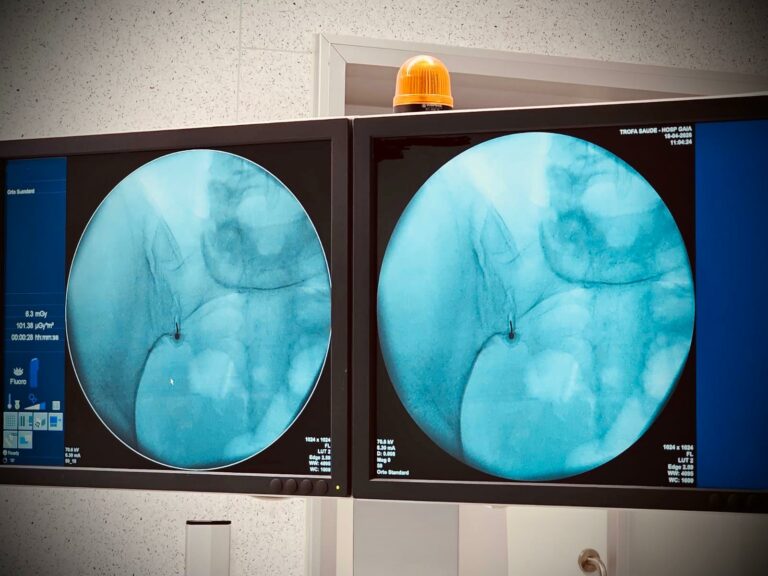
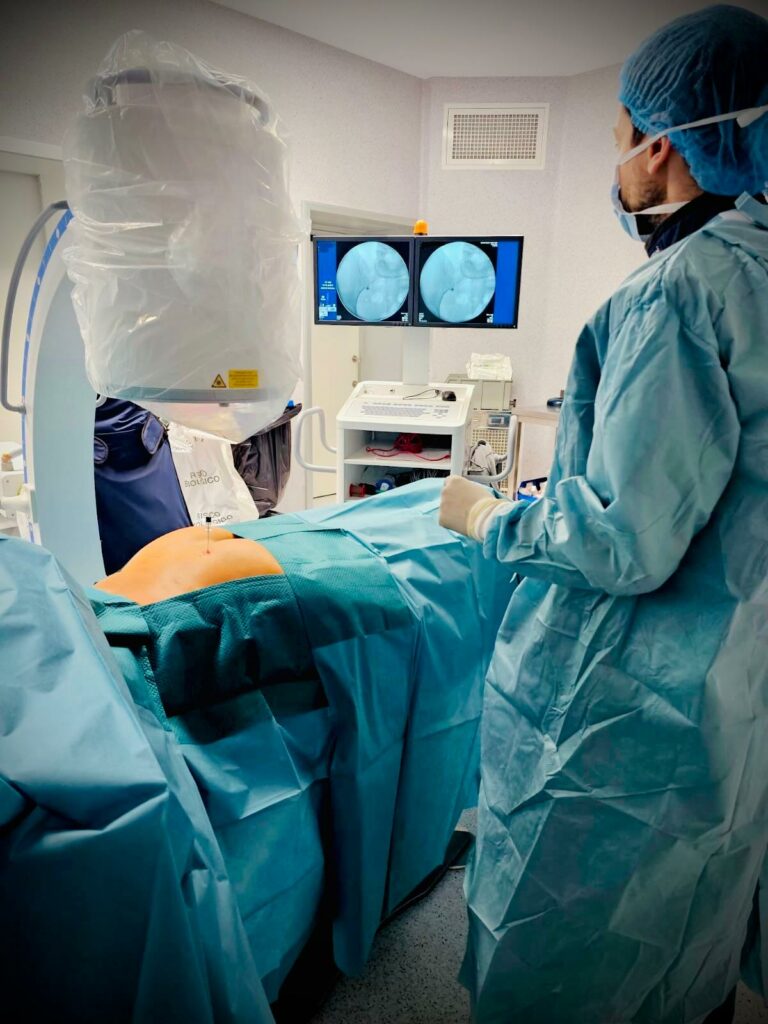
Everything you need to know.
A sacroiliac (SI) joint injection involves the administration of a corticosteroid and/or local anesthetic into the sacroiliac joint under ultrasound guidance to reduce inflammation and relieve pain. The sacroiliac joint is located at the junction between the pelvis and the sacrum, forming the connection between the spine and the pelvis.
Symptoms may include pain in the buttock, lower back, or pain radiating to the thigh, most commonly on one side. The pain often worsens with prolonged standing, climbing stairs, or changing positions. A careful clinical evaluation is essential to establish the diagnosis.
In addition to a thorough clinical evaluation, a diagnostic sacroiliac (SI) joint injection using a local anesthetic can help confirm the sacroiliac joint as the source of pain. Significant pain relief following the injection supports the diagnosis.
Yes. Ultrasound guidance allows precise visualization of the sacroiliac joint and accurate needle placement, making the procedure safer and more effective than a blind injection technique.
Corticosteroid injections should not be repeated excessively. The frequency of treatment depends on the patient's clinical response and an individualized medical assessment, balancing symptom relief with long-term joint health.