

Precise ultrasound-guided procedures to treat injuries and conditions with effectiveness and safety.
Percutaneous Microtenotomy under ultrasound guidance combined with Platelet-Rich Plasma (PRP) injection is an advanced therapeutic approach aimed at effectively treating tendon injuries in a minimally invasive manner. This method combines the precision of ultrasound with the regenerative capacity of PRP, offering significant results for patients with tendinopathies.
Percutaneous microtenotomy is a procedure that involves making small incisions in the affected tendon, allowing for the release of fibrous tissue and promoting regeneration. When performed under ultrasound guidance, the technique ensures maximum precision in locating the affected areas, minimizing the risk of injury to adjacent structures.
After percutaneous microtenotomy, the injection of PRP enhances the effects of the treatment by providing growth factors and proteins that stimulate healing and tendon regeneration. The PRP is extracted from the patient's own blood, which reduces the risk of adverse reactions.
This approach is recommended for patients with chronic tendinopathies, such as rotator cuff tendinitis ("shoulder tendinitis"), epicondylitis ("elbow tendinitis", "tennis elbow"), trochanteritis ("hip tendinitis"), Achilles tendinopathy, and other tendon-related conditions.
Everything you need to know.
Percutaneous microtenotomy is a minimally invasive procedure that uses a fine needle to create multiple controlled micro-incisions within diseased tendon tissue. This stimulates the body's natural healing response and promotes tendon repair and regeneration.
Percutaneous microtenotomy is primarily indicated for chronic tendinopathies that have not responded to conservative treatment, such as lateral epicondylitis (tennis elbow) and tendinopathies of the wrist and hand.
The controlled micro-incisions trigger a localized healing response, effectively "restarting" the tendon repair process. This promotes the production of new collagen and the reorganization of the tendon tissue, leading to improved tendon structure and function.
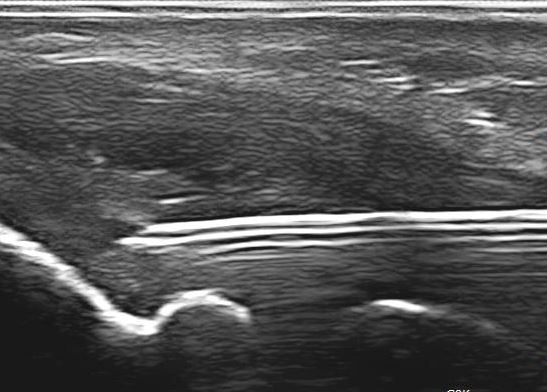
Yes. Ultrasound guidance is essential for accurately identifying the diseased portion of the tendon and precisely guiding the needle, maximizing both the safety and effectiveness of the procedure.
Some localized pain or soreness is common during the first few weeks and is considered a normal part of the healing process. Functional improvement occurs gradually and is typically supported by a structured physiotherapy program.