

An Innovative Solution for Musculoskeletal Treatments
Shockwaves are high-energy acoustic pulses used in medicine to treat various musculoskeletal conditions. There are two main types:
– Focused shockwaves: They have high intensity and deep penetration, allowing for precise treatment of specific areas. They are indicated for calcifications, chronic tendinitis, heel spurs/plantar fasciitis, and fractures with difficult consolidation.
– Radial shockwaves: They have lower intensity and disperse on the surface, making them more suitable for treating muscle pain, superficial tendinopathies, and trigger points.
Both stimulate tissue regeneration, improve circulation, and reduce pain.
Keywords: Heel spur; Plantar fasciitis; Tendinitis; Tendon calcification; Shoulder calcification; Elbow calcification; Epicondylitis; Bone healing delay.
Tudo o que precisas de saber.
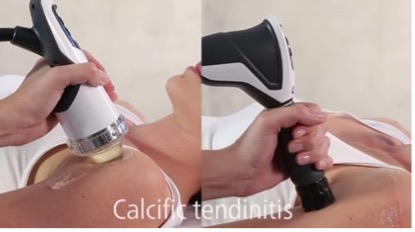
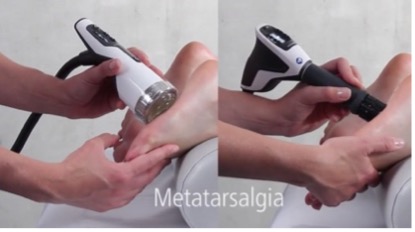
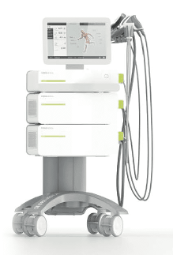
Extracorporeal Shockwave Therapy (ESWT) uses high-energy acoustic waves applied externally to the affected tissues. These shockwaves stimulate the body's natural healing processes, reduce pain, and can help break down calcific deposits or promote the remodeling of pathological tendon tissue.
ESWT is indicated for a range of chronic musculoskeletal conditions, including tendinopathies such as lateral epicondylitis (tennis elbow), rotator cuff tendinopathy, and plantar fasciitis, as well as calcific tendinopathy and other conditions that have not responded adequately to conventional treatment.
Some discomfort may be experienced during treatment, depending on the area being treated and the patient's individual sensitivity. The intensity of the shockwaves is adjusted to ensure the treatment remains well tolerated.
Most treatment protocols consist of four to six sessions, typically scheduled one week apart. The exact number of sessions depends on the condition being treated and the patient's clinical response.
Yes. ESWT should not be applied over areas with active infection, tumors, or growth plates in children, and it may not be suitable for patients with certain bleeding disorders or coagulation abnormalities. A comprehensive medical evaluation is essential before treatment.
Improvement is often gradual and may continue for several weeks after the final treatment session as the body's natural tissue repair and healing processes progress.